

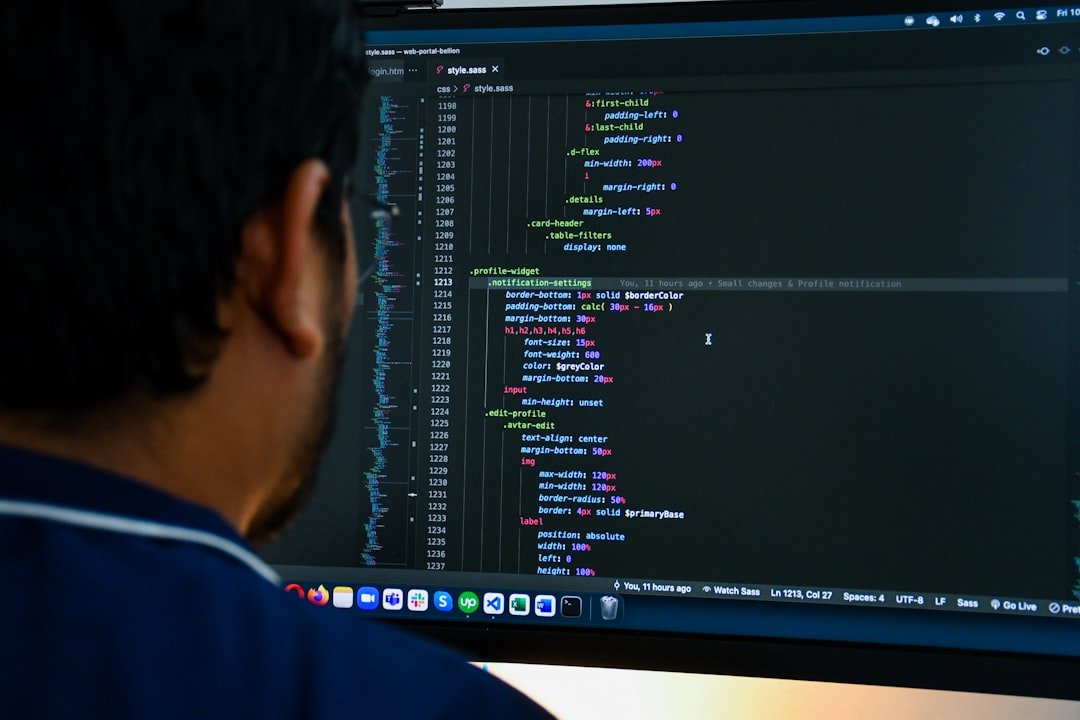
In today’s fast-paced digital landscape, software applications are the backbone of any successful business. However, even the most well-designed software can encounter issues, errors, or become outdated over time. This is where software support and maintenance come into play – the often-overlooked yet crucial aspects of ensuring your software applications continue to run smoothly, efficiently, and securely. In this comprehensive guide, we’ll delve into the world of software support and maintenance, exploring the benefits, best practices, and key strategies for maximizing your software’s potential.
Understanding the Importance of Software Support & Maintenance
Software support and maintenance are often misunderstood as mere afterthoughts, but they play a vital role in extending the lifespan of your software applications. By investing in regular maintenance and support, you can prevent costly downtime, reduce the risk of security breaches, and ensure that your software remains compatible with evolving technologies and changing business needs. In fact, a study by Gartner found that companies that prioritize software maintenance and support experience a significant reduction in IT costs and improved overall system performance.
Effective software support and maintenance involve a range of activities, including bug fixing, patching, updates, and upgrades. These activities not only resolve immediate issues but also provide an opportunity to refine and improve the software, adding new features and functionalities that can enhance user experience and drive business growth. Moreover, a well-maintained software application can help build trust with customers, stakeholders, and employees, ultimately contributing to a positive brand reputation and competitive advantage.
Best Practices for Software Support & Maintenance
To get the most out of your software applications, it’s essential to adopt a proactive approach to support and maintenance. Here are some best practices to consider:
- Develop a maintenance schedule: Regularly schedule maintenance tasks, such as backups, updates, and security checks, to prevent issues and ensure business continuity.
- Implement a ticketing system: Use a ticketing system to track and prioritize support requests, ensuring that issues are addressed promptly and efficiently.
- Conduct thorough testing: Perform thorough testing and quality assurance to identify and resolve issues before they become major problems.
- Foster a culture of continuous improvement: Encourage feedback from users and stakeholders, using it to inform and drive software improvements and enhancements.
- Invest in employee training: Provide ongoing training and support for employees, ensuring they have the skills and knowledge to effectively use and maintain the software.
- In-house support: Managing support and maintenance in-house can provide greater control and flexibility, but it can also be resource-intensive and costly.
- Outsourced support: Partnering with a third-party provider can offer access to specialized expertise and cost savings, but it may require careful vendor selection and management.
- Hybrid support: Combining in-house and outsourced support can provide the best of both worlds, allowing you to leverage external expertise while maintaining control and flexibility.
- Uptime and availability: Monitor the percentage of time your software applications are available and running smoothly.
- Mean time to resolve (MTTR): Track the average time it takes to resolve support requests and issues.
- Customer satisfaction: Measure user satisfaction through surveys, feedback forms, and other channels.
- Cost savings: Calculate the cost savings achieved through reduced downtime, improved efficiency, and minimized support costs.
- Software support and maintenance are crucial for extending the lifespan of your software applications and preventing costly downtime.
- Adopting a proactive approach to support and maintenance, including regular maintenance schedules, ticketing systems, and continuous improvement, can minimize issues and maximize value.
- Choosing the right software support and maintenance model, whether in-house, outsourced, or hybrid, depends on your specific business needs and resources.
- Establishing clear metrics and benchmarks, such as uptime, MTTR, customer satisfaction, and cost savings, is essential for evaluating the success of your support and maintenance efforts.
By following these best practices, you can minimize downtime, reduce support costs, and maximize the value of your software applications. Additionally, consider leveraging agile methodologies, such as DevOps and continuous integration, to streamline your software development and maintenance processes.
Choosing the Right Software Support & Maintenance Model
When it comes to software support and maintenance, there is no one-size-fits-all solution. The right approach depends on your specific business needs, resources, and goals. Here are some common models to consider:
Ultimately, the key to choosing the right software support and maintenance model is to assess your business requirements, weigh the pros and cons of each approach, and select the model that aligns with your strategic objectives.
Measuring the Success of Software Support & Maintenance
To ensure that your software support and maintenance efforts are effective, it’s essential to establish clear metrics and benchmarks. Here are some key performance indicators (KPIs) to consider:
By tracking these KPIs, you can evaluate the success of your software support and maintenance efforts, identify areas for improvement, and make data-driven decisions to optimize your approach.
Conclusion and Key Takeaways
In conclusion, software support and maintenance are critical components of any successful software application. By understanding the importance of these activities, adopting best practices, choosing the right support model, and measuring success, you can ensure that your software applications continue to drive business growth, efficiency, and innovation. Remember, software support and maintenance are not mere afterthoughts – they are essential investments in the long-term health and success of your business.
Key takeaways:
By prioritizing software support and maintenance, you can unlock the full potential of your software applications, drive business success, and stay ahead of the competition in today’s fast-paced digital landscape.