

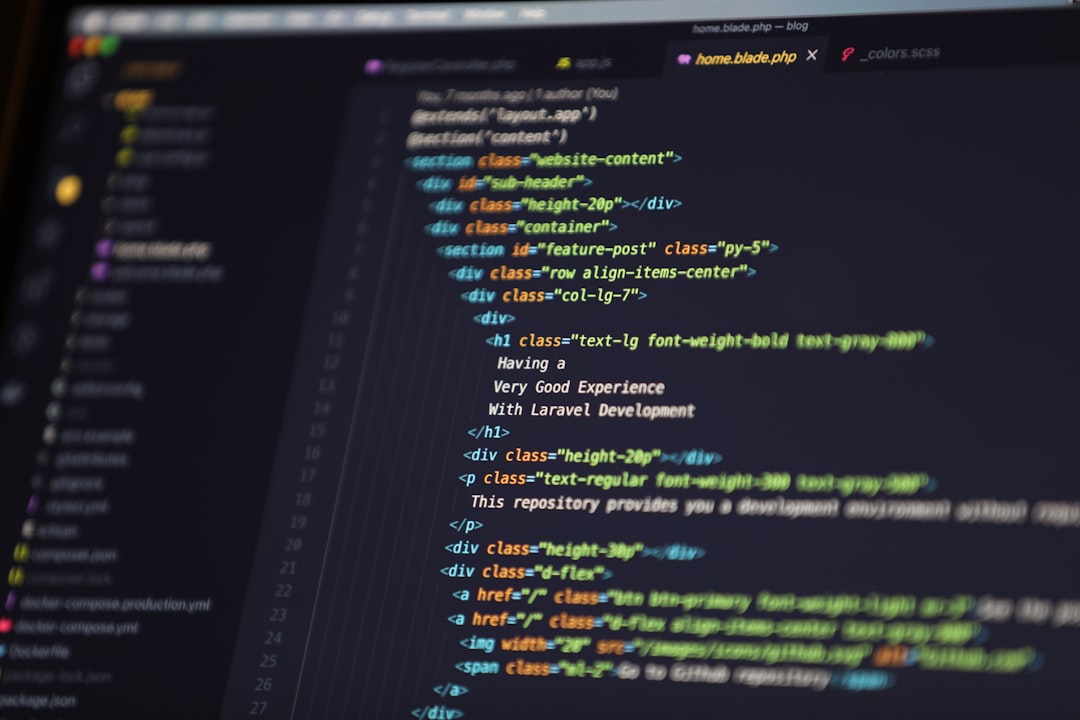
Are you tired of using outdated and cumbersome frameworks that hinder your web development process? Look no further than Laravel, the popular PHP framework that has taken the world of web development by storm. With its elegant syntax, robust features, and extensive community support, Laravel has become the go-to choice for building scalable and secure web applications. In this comprehensive guide, we’ll delve into the world of Laravel development, exploring its key features, benefits, and best practices to help you unlock the full potential of this powerful framework.
Introduction to Laravel Development
Laravel is an open-source PHP framework that was first introduced in 2011 by Taylor Otwell. Since then, it has undergone significant transformations, with each new version bringing exciting features and improvements. Laravel’s primary goal is to provide a simple and expressive way to build web applications, making it an ideal choice for developers of all levels. With Laravel, you can focus on writing clean, maintainable code, rather than worrying about the underlying infrastructure. The framework’s modular design and extensive library of packages make it easy to build complex applications with ease.
One of the key benefits of Laravel development is its emphasis on simplicity and readability. The framework’s syntax is designed to be easy to understand, making it a breeze to write and maintain code. Additionally, Laravel’s built-in features, such as Eloquent ORM, routing, and middleware, simplify the development process, allowing you to focus on the logic of your application. Whether you’re building a small blog or a complex enterprise-level application, Laravel provides the tools and flexibility you need to succeed.
Key Features of Laravel Development
So, what makes Laravel development so special? Here are some of the key features that set it apart from other frameworks:
- Eloquent ORM: Laravel’s Eloquent ORM provides a simple and expressive way to interact with your database, making it easy to perform common database operations, such as creating, reading, updating, and deleting records.
- Routing: Laravel’s routing system allows you to define routes for your application, making it easy to map URLs to specific controllers and actions.
- Middleware: Laravel’s middleware provides a way to filter incoming requests and outgoing responses, allowing you to perform tasks, such as authentication and caching, in a centralized manner.
- Blade Templating Engine: Laravel’s Blade templating engine provides a simple and expressive way to build templates for your application, making it easy to separate presentation logic from application logic.
- Artisan Console: Laravel’s Artisan console provides a powerful command-line interface for managing your application, making it easy to perform tasks, such as migrating databases and running tests.
- Follow the PSR-2 Coding Standard: The PSR-2 coding standard provides a set of guidelines for writing clean, maintainable code. By following this standard, you can ensure your code is easy to read and understand.
- Use Dependency Injection: Dependency injection is a design pattern that allows you to decouple your code from specific dependencies, making it easier to test and maintain.
- Use Eloquent ORM: Eloquent ORM provides a simple and expressive way to interact with your database, making it easier to perform common database operations.
- Use Middleware: Middleware provides a way to filter incoming requests and outgoing responses, allowing you to perform tasks, such as authentication and caching, in a centralized manner.
- Test Your Code: Testing your code is essential to ensuring it works as expected. Laravel provides a built-in testing framework, making it easy to write and run tests.
- Debugging: Debugging can be a challenge in any framework, but Laravel provides a built-in debugger, making it easier to identify and fix issues.
- Performance: Performance can be a challenge, especially in large applications. Laravel provides a number of tools, such as caching and queueing, to help improve performance.
- Security: Security is a top concern in any web application. Laravel provides a number of built-in security features, such as authentication and authorization, to help protect your application.
- Scalability: Scalability can be a challenge, especially in large applications. Laravel provides a number of tools, such as load balancing and caching, to help improve scalability.
- Laravel is a powerful and flexible framework: Laravel provides a simple and expressive way to build web applications, making it an ideal choice for developers of all levels.
- Follow best practices: Following best practices, such as using dependency injection and testing your code, can help ensure your application is scalable, secure, and maintainable.
- Use the right tools and techniques: Using the right tools and techniques, such as caching and queueing, can help improve performance and scalability.
- Overcome common challenges: By understanding common challenges, such as debugging and security, you can overcome them and build a successful Laravel application.
These features, combined with Laravel’s extensive library of packages and tools, make it an ideal choice for building complex web applications. Whether you’re building a small blog or a large enterprise-level application, Laravel provides the tools and flexibility you need to succeed.
Best Practices for Laravel Development
While Laravel development can be a breeze, there are some best practices you should follow to ensure your application is scalable, secure, and maintainable. Here are some tips to get you started:
By following these best practices, you can ensure your Laravel application is scalable, secure, and maintainable. Whether you’re building a small blog or a large enterprise-level application, these practices will help you write clean, maintainable code that is easy to understand and modify.
Common Challenges in Laravel Development
While Laravel development can be a breeze, there are some common challenges you may encounter. Here are some tips for overcoming these challenges:
By understanding these challenges and using the right tools and techniques, you can overcome them and build a scalable, secure, and maintainable Laravel application.
Conclusion and Key Takeaways
In conclusion, Laravel development is a powerful and flexible way to build web applications. With its elegant syntax, robust features, and extensive community support, Laravel has become the go-to choice for building scalable and secure web applications. By following the best practices outlined in this guide, you can ensure your Laravel application is maintainable, scalable, and secure. Here are the key takeaways from this guide:
Whether you’re building a small blog or a large enterprise-level application, Laravel provides the tools and flexibility you need to succeed. With its extensive community support and robust features, Laravel is the perfect choice for any web development project. So why wait? Start building your next web application with Laravel today and experience the power and flexibility of this popular PHP framework.